23–24 January 2027 · Veliky Novgorod
ЗИМНИЕ ВЫХОДНЫЕ ВЕЛОКРОССА · 3ВВ
Два дня ТИПАЦИКЛОКРОССА: Cyclocross, Gravel, Fixed gear, МТБ и беговой кросс. Один день или оба.
23–24 January 2027 · Veliky Novgorod
Два дня ТИПАЦИКЛОКРОССА: Cyclocross, Gravel, Fixed gear, МТБ и беговой кросс. Один день или оба.
19 June 2027 · Batetsky
Tsar Grader 202725 October — 7 November 2026 · XCnews
INOCROSSApril 10-11, 2027 · Veliky Novgorod
Spring Cyclocross WeekendFrom 22 November 2026 · Saint Petersburg and the Leningrad Region
WINTER CUP XCNEWS499 ₽ / month · Для гонщиков
FATRACING PREMIUMОт 2 999 ₽ / month · For business
FATRACING PROTalk about amateur cycling: riders, organizers, coaches and brands. For each issue there is an article with the main and useful guest tips, videos and links to platforms.
More to listen to: Rear drive — we discuss cycling news; Shevarov's podcasts — Dmitry Shevarov tells in his voice about each of his races.
Дмитрий Страхов прошёл путь от трека до профессионального пелотона и Джиро, а после завершения карьеры пришёл в триатлон и создал ClassTeam. С Ильёй он говорит о жизни на многодневках, жёсткой системе подготовки, любительских гонках и о том, почему результат не сводится к цифре FTP. Разговор записан 13 October 2026 года.
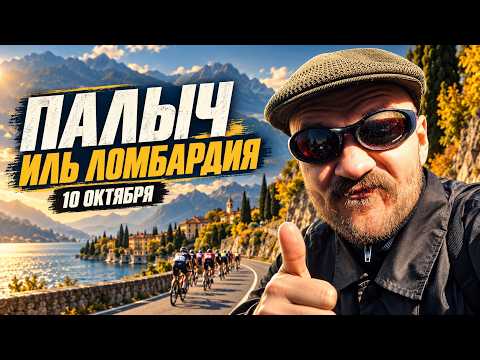
Встреча с Палычем под трансляцию Ломбардии: профессиональная гонка идёт фоном, а разговор — о собственных стартах, сербской MTB-тусовке, покрышках, многодневках и городских гонках. Вместо последовательного интервью здесь свободный эфир, в котором велосипедная техника постоянно сменяется историями из поездок.
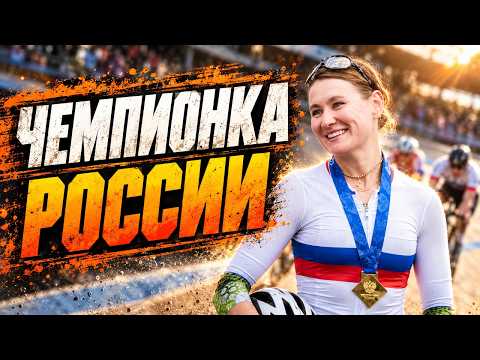
Ekaterina Gurenkova started cycling in 2019, and seven years later she won the Russian Championship in the individual time trial. In the conversation, she analyzes the path from amateur starts to the national championship, training at work and family, team support and plans for the new season.
Danil Osipov grew up in mountain biking, but in 2026 he won Tsar Grader and began competing on the road for a Chinese continental team. He explains why long races suit him, how he achieved victory on gravel, and what a foreign contract without salary provides.
Dmitry Shevarov chases HBFS, records podcasts after each race and this season went to the UCI Gran Fondo World Championship in Japan — in a blue jersey donated by subscribers. In the issue, he tells why there are "no miracles" at the World Championships, how the yellow jersey and ratings force the season to be extended, and why to talk about the race when it is already over. Also — the TOP team in Zwift, the Nizhny Novgorod minitur, training camps in Turkey and the pleasure of defeating an opponent who has more watts.
Mikhail Trusov raced professionally for ten years, worked in the directorate of the Sochi Olympics, headed the city triathlon Federation and this season found himself in the commentary booth of Okko at the women's Tour de France and Vuelta. In the issue, he examines the craft of the commentator: how to get there, how to pay, how to prepare for the broadcast and what to do when nothing happens for two hours. The second half is the results of the 2026 season and a conversation about why the peloton goes faster every year.
A year after the first graduation, Anatoly Solodov moved to Moscow, assembled his team and drove 30 races during the season. In the second conversation, Ilya asks the audience questions: how to relax in the offseason, when to start preparing for the Tsar Grader 2027, why the legs are cramping at the race, who really needs a gym and what to check if progress has stopped.
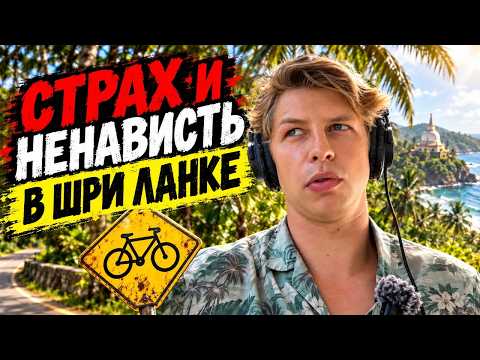
Arthur 6AM moved to Sri Lanka five years ago, and in recent years his entire bicycle base — spare parts, tools, rack — has been living there. In the issue, he tells when you can ride on the island, why traffic without rules seems safer to him than European, how to apply for a visa and how his twelve-day bike tour from the mountains to the ocean is arranged.
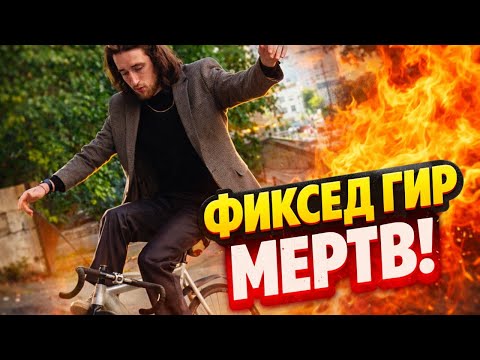
Dima Kukhtey has been riding fix since the age of 14, won the first race in Perm, and after moving to Yekaterinburg, he spent eight events there in three years. In the issue, he explains where the meme "fixed gear is dead" comes from, why fixed communities live in cycles and what is needed so that the movement does not fade. At the end, Masha Dragina joins the conversation with the idea of an all-Russian online contest.
Alexander Aeraud lives in Novosibirsk, gathers a team there, trains amateurs and makes videos about racing and technology. In almost two hours, he tells why there are almost no road races left in Siberia, how much aerodynamics actually costs, how to combine training with a five-day program and how long it takes for one video with telemetry.
Gravel Instinct is a race of the Russian Gravel Series near Moscow, which has been made by a team of two dozen enthusiasts since 2023. Lesha Chepenko tells how this team is organized, what to expect from the race in 2026, what tires to take and what mistakes the organizers have already made. At the same time, Ilya and Lyosha are discussing the new Tsar Grader format and the idea of a team competition series.
Andrey Kulagin weighed 117 kg five years ago, and in 2025 he won the Cycling Race season in the C-cluster. He is an entrepreneur and one of the partners of the St. Petersburg club "Etalon": he invested money in a series about the team, a club application and trips of the main team. In conversation with Ilya — how to lose weight forever, why team training is needed and why it's time for fans to unite.
Gosha Lebedev is one of the most notable fixers of St. Petersburg: he is 21 years old, six of them he rides on a fix and rides all gravel races on it too. In a short issue, he tells whether fixed gear is alive, what kind of programs he puts on the street, the track and the Tsar Grader, and how he spent twelve days in autonomy in the Circumpolar Urals.
Alexander Zolotyh is a cycling technique coach who teaches beginners on the road and gravel what usually takes years to learn in a pack: navigating turns, curbs, and speed bumps. In this episode, he talks about how he got into cycling to quit smoking, why he left law and the club, and what it's like to live on coaching money alone. Ilya barely prepared any questions, and the guest willingly opened up on his own.
Alexey Zdeblovsky has been doing bike marathons in the Leningrad Region for almost twenty years and is responsible for the largest amateur MTB cup in the region. Ilya collected the questions and complaints of the participants — about the fitness category, pros in age groups, starting pockets and prizes — and asked them directly. The release was recorded immediately after the guest's flight, so the conversation turned out to be calm and frank.
Sergey has been running 'Komon' for eight years — a series of indoor trainer races where amateurs compete side by side with professionals for partner prizes in Zwift. In this episode, he talks about how the series deals with cheaters, what would happen if Zwift got blocked, how MyWhoosh and the Russian WattAttack fall short for now, what a room for racing should be like, and which trainers can handle studio loads.
Nikita has been building a team of ambassadors and sports partnerships for a healthy snack brand for several years, and now from Tel Aviv he sells himself to brands as an athlete. In the issue, he explains what companies expect from the ambassador, where friction happens with them, how the brand chooses which races to go to, and why gravel starts are interesting even for not the most sporty brands.
Alexander went from a Belarusian sports school to a Swiss team, then spent four years doing triathlon, and now owns one of the largest bike shops in Belarus and promotes road and gravel culture there. In this episode, we discuss how the small cycling market works, what a coach can offer an amateur, why a place on the podium isn't everything, and what China is surprising with nowadays.
Dmitry Razgulyaev combines shift work, family, training and a YouTube channel where he posts races with a camera in a pack — his video from the Tsar Grader has become one of the most watchable about this race. For almost two hours, he and Ilya have been sorting out how amateur races are actually arranged, why it is difficult for a blogger to get a slot, how much a bike blog brings and what kind of rubber and frame he would put on gravel.
Dmitry Bogatyrenko is a former Novgorodian, now a Petersburger: he runs a YouTube channel, does bike fit, studies sports psychology and has been racing gravel races for many years. The conversation turned out to be friendly and in both directions: first Ilya asks Dmitry about the pressure at the start, coaches and equipment, then Dmitry asks Ilya about why he has been organizing races in Novgorod for almost ten years.
Dmitry came to the sport for a bet, ran marathons and ironmen until he broke his hip a couple of kilometers before the finish of the ultratriathlon. Now he has an endoprosthesis, a bicycle instead of running and the reputation of the main aerogic of St. Petersburg — up to the nickname "Electrical tape". The issue is about a comprehensive approach to training, measurements of aerodynamics, the choice of shape and bikes, and why health is more important than any race.
Vladimir is 37 years old, and he has only been in cycling for two seasons, so he remembers the mistakes of a beginner not from books, but by himself. After a serious injury in motocross, he switched to a bicycle, changed several coaches and teams, lost more than 15 kg and started winning in cluster C. The main idea of the issue: the podium is not made by an expensive bike, but by landing, individual plan, sleep and head.
Nikolai Milovidov, a.k.a. Schoolboy, is one of the strongest gravel racers in Russia: the Tsar Grader won twice, in 2025 he won the Last stage, where the main prize was a car, and went to the gravel World Championship. With Ilya, he talks about the coach who made a racer out of a fixer, about off-road driving, which cannot be called a race, about sponsors and how to make the Russian Gravel Series more honest.
Alexey Borisevich is one of the most experienced bikefitters in Minsk: more than a thousand cyclists have passed through his hands. Together with his father, he builds bicycles of the Borant brand, which in Russia is known primarily for gravel. In a conversation with Ilya, he explains why bike FIT needs to start with the body, what three mistakes occur in seven out of ten, how the rim width changes the tire and why it is so expensive to make carbon frames in Russia and Belarus.
The Splendor club grew out of rides with friends and in three years has become one of the notable cycling hangouts in St. Petersburg: the rides there are free and open, and on weekends the club takes people to Karelia, Sochi and beyond. Vitya, the founder of the club and the escort on the last Tsar Grader, tells Ilya how to keep a pack of 50 people in order, why a camp with tents is more expensive than a hotel and why cyclists should be visible on the road.
Andrey Demekhin used to be, according to him, fat and liked to drink on weekends, but now he hasn't been drinking for about ten years, trains every day and at the age of 52 fulfilled the standard of a candidate for master of sports on the track. With Ilya, he talks about amateur clubs, the Russian amateur championship, recovery after 50 and why go to the race if you can just ride for health.
Nikolay Zemlyanoy came to cycling as an adult, giving up bad habits, started with brevets at a heart rate of 115–135 and FTP around 160 watts, and now produces more than 400 watts on a long climb and rides in the top of amateur road races. In a conversation with Ilya, he disassembles Tsar Grader from the inside, where he worked for his coach's victory and came in third, explains how his preparation, nutrition and work with tests are arranged. And he admits the story that gave the name to the issue.
Ilya was once in Veliky Novgorod not the only organizer of cycling races: fixed races and trackcrossing were done there by Dmitry Lunev with his Bicycle community. Now Dmitry lives in St. Petersburg, is studying to be an orthopedic traumatologist and is recording a podcast directly from the resident's room, where he is being treated himself: they lengthen his leg in Ilizarov's apparatus, which has been 9 cm shorter since childhood. A conversation about the fixed culture of Novgorod and Pskov, unusual race formats and what a cyclist should know about his legs.
Sasha Nimova won the women's competition of the Russian Gravel Series 2025, although she did not plan to ride it entirely at all, and did it on a rebuilt aluminum Giant Revolt. With Ilya, she analyzes the season of 16 races, tactics on the Tsar Grader, tires, track and why the team's fans. A separate part of the conversation is her backpacks and techies, which she started sewing herself on a home typewriter.
Egor Chebanov from Endless Summer drove the 2025 season with almost no passes and collected podiums at most gravel races. In a conversation with Ilya, he tells how he assembled his team in a couple of months, what he will do in the offseason, where the camps will be in the spring, and why a month of training will give more than the most successful tires on a two—hundred-kilometer race. Ilya shares his plans for the next Tsar Grader and the development of cyclocross.
This is a recording of a feast at Ivan Inozemtsev's house in Mistorovo on the eve of his race: Anton Stepanov, his wife Nika, Alexey, and Ilya are at the table. Ilya himself warns in the introduction that the episode is trashy and largely understandable only to their own. Through the stories and toasts, a conversation about how St. Petersburg cross-country is organized still emerges: why complicating the tracks attracted new people, why a gravel bike needs narrow tires, and why the road in Russia remains a dream.
The conversation with Alexander Apolosov was recorded in the spring, even before he became the Russian amateur champion in the summer. He gets in touch from Turkey on the eve of the very race where he broke his collarbone on the descent a year ago. Alexander tells how he came to cycling in 2019, why he rides the time trial according to his feelings, not by watts, why he needs the HBFS club and why for a rider without a sprint, the only way to win is a breakaway.
Exactly two years ago, the podcast began with a recording on Denis Bolotov's phone in Zelenograd — now he is returning as a stream. During this time, Denis drove 1200 km Paris — Brest — Paris, realized that ultradistances did not bring him pleasure, and went to the track as a sprinter. In the conversation — the first year on the track, the money and life of the trackman, the organization of Green Mud and plans to drive the Tsar Grader beyond the limit, looking at the views.
Roma Fakabush is eighteen, and a year ago he launched the Coffee Riders team in St. Petersburg. In the stream, he tells why he reassembled the composition for gravel, how the Tsar Grader is going to play tactically, and where the team got the money from. Ilya answers counter-questions about FATRACING sponsors, race technicians and explains why he is not moving to Moscow.
Irina Shcherbakova goes on the air from Fethiye with a black eye: on her first day in Turkey, she was hit by an oncoming car. From this, the conversation turns to insurance, women's hundred, Moscow coffee rides and why mileage figures have ceased to be her main goal. The issue was recorded by a stream, with communication failures and chat questions.
Max Karginov came to cycling through a Moscow fix-party, and now from Girona he tells the Russian-speaking audience about what is happening in world cycling. With Ilya, they figure out why Traka has become a European Unbound, how the formats of gravel races differ and what kind of rubber to put on them. In the second half — the trends of road and gravel bikes and an honest conversation about earnings in cycling blogging.
Nikita Maskakult started with fixed criteria and courier work, and now he earns bike Fit, leads students, keeps a workshop and shoots a bike blog. In a two-hour stream with Ilya, he honestly tells why the blog makes almost no money, how to distinguish a good bike fit from streaming, and why you shouldn't trust the load that applications consider. The main idea of the release is to go to the race better than not to go.
Anatoly Solodov has been coaching amateurs for about nine years and learned it himself, without a specialized diploma. In a conversation with Ilya and questions from the chat, he analyzes typical mistakes of his trainees, explains why hard work beats talent, why an indoor trainer is needed in winter, and why intensity almost always needs to be reduced. At the end, there are practical tips on supplements and how not to burn out from racing.
This issue is a stream: Ilya and Kostya, together with Palych, who is in touch from Serbia, are watching the spring gravel classic, where Pogachar falls, catches up and leaves alone. Between comments on the race, the conversation turns to technology: why Palych does not recommend narrow handlebars and short connecting rods, how MTB inserts in tires save wheels and how amateur sports in Serbia differs from Russian.
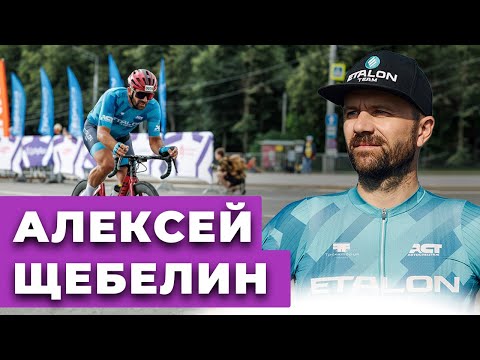
Alexey Shchebelin raced professionally in Italy, worked as the sports director of the Katusha youth team, and now he trains amateurs and goes to the start with them himself. On the air with questions from subscribers, he tells why the desire to train should be protected and not squeezed, how to teach the team to work for each other and why he does not wear a power meter. A separate story is how he was removed from Katusha with hints of doping.
Andrey Shumilov got on a bike after forty, moved to Ecuador and runs a blog about amateur cycling. With Ilya, they jokingly compare Ecuador and Veliky Novgorod as a place for a cyclist. The conversation turned out to be about how races and clubs in Latin America are organized, what training at altitude gives, how much life and equipment cost, and why an amateur needs a trainer.
Anna Simbirtseva entered cycling without any sporting background and, a week after buying a road bike, was already standing at the start of her first race. After two seasons, she assembled a women's sports team in St. Petersburg. In this issue, we cover how to get into road cycling from scratch, how to choose a coach, why it's harder for women in the amateur peloton, and what St. Petersburg cycling lacks.
Artyom Trofimov joined cycling at the age of 13 and has seen several generations of St. Petersburg amateurs for a quarter of a century. The main thing in the issue is tactics: who is the leader in the team, how to take away the gap, how to get someone off the wheel who is not working, and why it is worth honestly warning about your impotence in separation. Artyom also tells how cyclocross in St. Petersburg grew out of YouTube videos, why he believed in gravel only after the Tsar Grader and why he left Coffee Riders.
New Year's Eve threesomes stream: Ilya, Dmitry Bogatyrenko and the third interlocutor, who asked to remain incognito. Dmitry tells how he spends the winter without a bike and what he experienced after the first year of the YouTube channel, and gives advice to those who will go 180 km Tsar Grader. Then they argue about the format of gravel racing, SRAM and Shimano, expensive bicycles and what the 2025 season will bring.
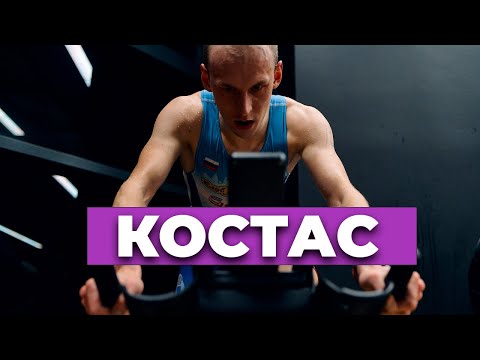
Konstantin Kolganov, known as Kostas, is one of the most experienced fans of St. Petersburg: he has been racing since the mid—noughties and has been training himself all his life. In the issue, he lays out the base: how much can you rest in the off—season, why do you need a wattmeter, why pulling a group without a goal is a mistake, and why our amateur races are more like classics than flat group races. Separately — about the road races in St. Petersburg and why the Tour de Selishchi will no longer be held.
The issue is three and live: Ilya tells how, because of worn socks and closed imports, he came up with the Kinematika brand of bicycle socks, and Albert - why Zelenograd with its weekly arrivals, alleycats and "Green Mud" claims to be the capital of fix. On the way — how a small brand can survive a sudden surge in orders and why the best prizes make their own.
The rider of the St. Petersburg "Amateur Club" Ivan Sibirtsev explains why he would not wish his children professional cycling, and compares the Russian training of juniors with the European one. The second half of the conversation is practical: how many people it takes for an amateur team to live, how the club agrees on tactics, why the track is the best winter outlet and how many hours of racing an amateur can withstand.
Vanya Odintsov went through a cycling sports school from childhood, but unlike most of his peers, he didn't give up cycling but went into amateur racing. He explains why the sports school system squeezes out children and doesn't prepare them for life, how he races without a coach, an indoor trainer, and an FTP test, and how his attempt to complete the Tsar Grader with thoughtful nutrition ended. And also — about the new Niva, the SYRE frame, and a wooden bike for the track.
Egor Chebanov gets in touch from Turkey right after the next Endless Summer camp and the first week with the coach. He tells how the training according to the plan differs from riding in mood, why cycling in St. Petersburg needs new teams and young people, how their camps and free gravel workouts are arranged. Along the way — the choice of tires, SRAM vs Shimano and the reaction to the news about 250 km on the Tsar Grader.
Alexey Chizhik is a photographer who, since 2020, has been carrying groups on bicycles in the Altai Mountains, Dagestan and the Kaliningrad region under the brand "Sky". He does not hesitate to tell how much he earns on the tour, why it is most difficult to recruit a group, how to understand the participant's readiness from the questionnaire and why it is not worth spending more than a dozen trips a year. Ilya, in response, shares the economics of his races.
A relaxed episode: Ilya and Kostya call Palych, who has lived in Vietnam for years, while watching Paris–Roubaix 2024. Palych explains how he trains in a major city where it is only light and cool between five and seven in the morning, why he sticks to inner tubes, and how he built a road bike weighing around 6.3 kg.
Ksenia Salazanova from Ufa left teaching at the medical university for tourism and is now building bike routes for the whole country. She tells how the Velorussia project is organized and how to join it, what the Big Ural Trail is and what it's like to walk alone for 17 days — on foot, by bike and by sapa.
Nastya Samarina collects carbon frames in St. Petersburg SYRE, and in her spare time sews bags for bicycles. The path to this took only a few years: from rolling bikes and MTB to gravel and the first podiums. A short and warm conversation about how a bicycle can give meaning to life and why you should not be afraid to come to an unfamiliar company.
Katya Podgornaya honestly says that she is not an athlete, but she has ridden the brevet, the Tour de Selishchi and the Tsar Grader, and the girls write to her that they have also switched from city bikes to gravel bikes. A cheerful and frank conversation about women's races in Moscow, work in the VELO1 project, hiking around Ladoga and the main mistake of a beginner is not to eat at the race.
Tanya Ustinova has been running for seven years, five years ago she put together a running club called Sputnik, and then fell in love with road cycling and brought the same approach to cycling. A call with Buenos Aires: about why it's not interesting to ride alone, whether runners and cyclists can be friends, and what it's like to spend the winter overseas with a bicycle.
Zhenya Gavrosh manages to race, run a YouTube channel about amateur cycling, develop his clothing brand and several other businesses. In a conversation with Ilya, she tells how she got into a jam at the Grand Fondo in the Emirates, why she won several sprints on the track in two months and why she slept in a hypoxic tent three times for three weeks.
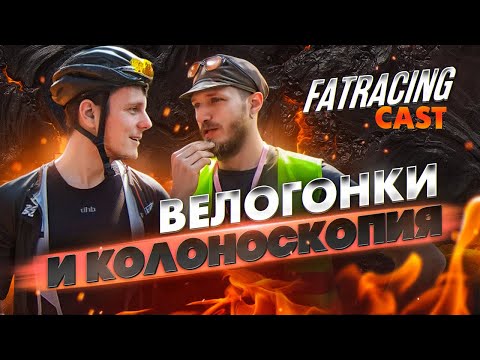
Informal release: Ilya and his longtime friend from the Novgorod races, Kostya Gavrilov, got together on Friday evening to chat. The conversation is about why you don't want to pedal a trainer in winter, how the 2024 season will be organized — from the cup of cyclocross combined with St. Petersburg to the last Tour de Selishchi — and what colonoscopy without sedation is.
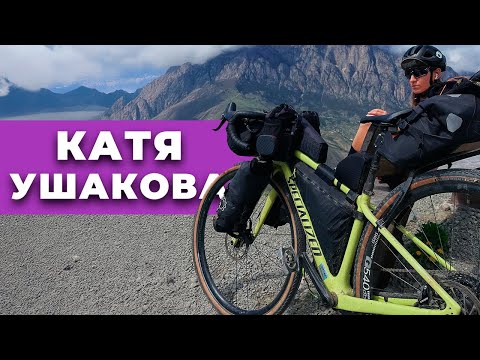
Katya Ushakova moved to Sochi for one reason — to ride all year round without a trainer. In a conversation with Ilya, she talks about the republics of the Caucasus, how a car hit her on the eighth hour of a 24-hour challenge on a gravel road, how she rode Tour de Selishchi on a fixed-gear bike, and why she hasn't been drinking for a year.
Valeria Vornik rides "for a buzz", studies in residency and at the same time invented and conducted a gravel race with the festival camp "Pokrova". The conversation between the two organizers: how the race differs from the camp, what to do when the field on the track was plowed three days before the start, and why the first race has the main team — friends and parents.
At the end of 2023, the host himself sat in the guest's place: the interviewer asks questions off-screen, and Ilya talks about himself. From the first folding bike to a carbon road bike, from cycle tourism to race organization — and the results of the season, which he calls the best in his life.
Daria Pravilova got in touch from Cape Town, where she wintered after the race in the Emirates. A former professional road racer, and now an amateur coach, she tells you what a cyclist should do in winter, how to survive in the men's peloton at a speed of 50 km / h and why in amateur races you have to collect evidence of violations yourself.
The first guest of the podcast is Olya Chudakova, who calls herself a co—rider, but at the same time sits on the wheel of the strongest fans of St. Petersburg. She tells how a good bike turned a hobby into a passion, why an amateur bike track and how to arrange a co-ride, where it's not scary for a beginner to come.
The tenth issue is a conference call with Tomsk. Anton Franchuk shoots beautiful videos about fixes and alloys, makes a "Tract" race with a concert and a camp, and comes up with city races with quests. A conversation about how a bicycle movement is maintained in a small Siberian city and what happens when a hurricane comes in the middle of a race.
Vitalik Kvashin lives in Gyumri and rides through the mountains of Armenia with a tent and bags. Ilya asks him about the two—week loop through Armenia and Georgia — more than a thousand kilometers and about 15 thousand meters of recruitment - about how he prepared, what to do with packs of dogs and what the Armenian cycling community looks like. In response, Ilya tells how the Tsar Grader passed.
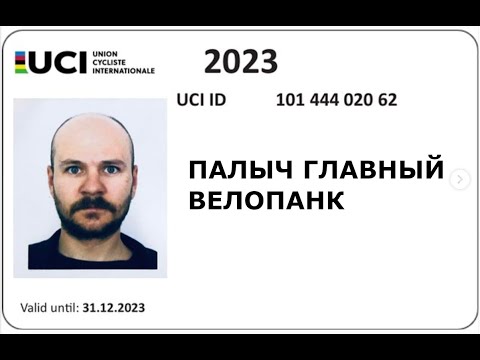
Palych is a bikefitter and an amateur racer, whom many people know from the podcast "Velochudiki". Over the past year and a half, he has lived in Abkhazia, St. Petersburg, Georgia and Turkey and has now settled in Serbia. The conversation with Ilya goes to the broadcast of the Tour de France — about racing in new countries, switching to disc brakes, the benefits of a coach and how not to overtrain.
Nikita Stepanov travels by bicycle alone — from Iceland to the coast of the White Sea — and makes two projects for Novgorodians: the Ilmera brevet and the Novgorod Tract route throughout the region. He tells how he almost drowned on the ford, and Ilya shares his impressions of how he drove the highway in six days.
This issue is not an interview, but a conversation "for your own". Kostya Gavrilov, a Novgorod bicycle enthusiast, is an "NPC at the races": he registers everywhere, creates extras and never stands on the podium. They discuss why it was not possible to catch up with the gap in the pack, what the organizer's work gives, how the Tsar Grader is preparing, and why amateur sports are more interesting than professional sports.
Ilya came to visit Denis Lesenkov, one of the strongest mountain bikers in Veliky Novgorod, who regularly takes the lead at St. Petersburg bike marathons. The conversation turned out to be about how to survive the first hard race, why cross-country technique, why Denis trains without a power meter and maintains seven bicycles himself, and how to learn a banihop after thirty.
Timo Valo has been organizing amateur cycling races near St. Petersburg since 2014 — from time trials to a festival on the banks of the Oredezh. Ilya asks him where the name SOTKA came from, why some races are growing while others are hitting a ceiling, and how to properly build a road race course. At the end — a story about how a conversation over coffee brought Ironman to St. Petersburg.
Anton Davydov is the person associated with cyclocross in St. Petersburg: since 2016, he has been organizing cross races, making videos about them, and running a Telegram channel about international cyclocross. Ilya asks him how this project runs on pure enthusiasm, why working as a bike mechanic didn't kill his love for cycling, and why a road cyclist should ride in the forest.
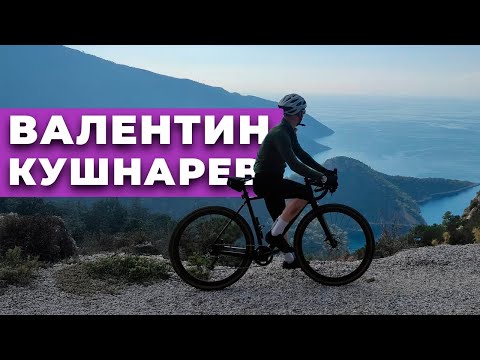
Valentin Kushnarev started skating seriously only in 2018, but quickly became one of the strongest fans of the northwest. Ilya asks him where the discipline of getting up before dawn for a long workout comes from, how childhood skiing helps on the slopes and what he learned from moving to Georgia — from local group races to the history of medical insurance.
Ilya recorded the first issue of the podcast while visiting Denis Bolotov in Zelenograd. Denis came to cycling through hiking and cycling, and for the last two years he has been purposefully training with a coach for Paris — Brest — Paris. A conversation about how such training is arranged, what is on the road and why you still need to drink at night on a log.
Upcoming races and useful sections of FATRACING.
Instagram belongs to Meta Platforms Inc., whose activities are recognized as extremist and banned on the territory of the Russian Federation.